Source Polygonum Multiflorum Root Extract for Health Food, Medicine, and Care
Compare 30 listings of polygonum multiflorum root extract from verified Chinese suppliers. Buyers can review extract ratios, packaging options, and certifications like HACCP and ISO for health food, medicine, and care applications; compare the available evidence and request quotations based on your requirements.
Key considerations
Products List
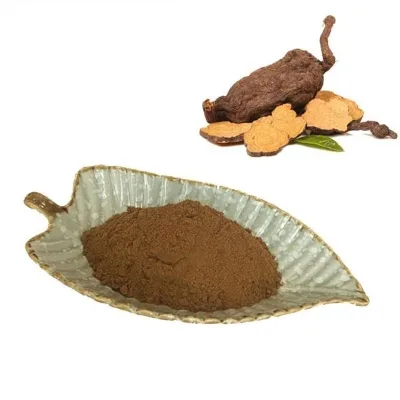


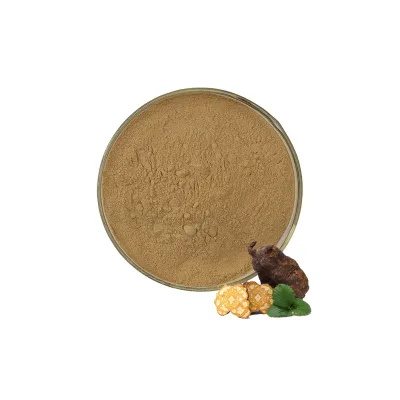


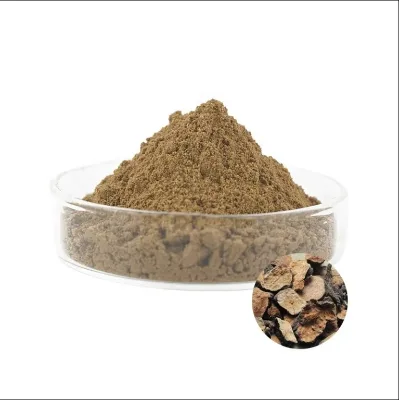
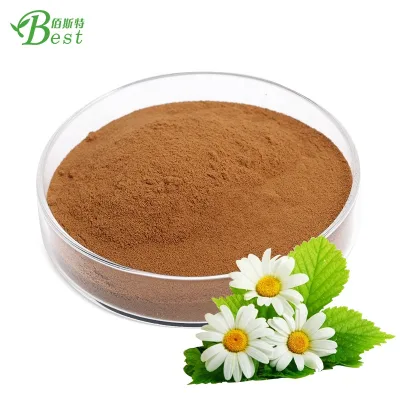


Comprehensive Sourcing Guide
Polygonum Multiflorum Root Extract Sourcing Guide
Sourcing Polygonum Multiflorum root extract requires careful attention to botanical specificity and extraction consistency, as the market contains various derivatives from different plant parts. Buyers must distinguish between extracts derived specifically from the root versus those from leaves or other parts, as the phytochemical profiles and intended applications differ significantly. The core keyword focuses on the root, which is traditionally associated with specific health benefits, making precise botanical identification a critical first step in supplier evaluation.
Procurement teams should verify that the supplier explicitly states the part used, such as root or leaf, to ensure alignment with product formulation goals. Observed listings often indicate "Root" as the primary source, but ambiguity can arise when multiple plant parts are listed in broader product descriptions. Confirming the botanical name, typically Polygonum Multiflorum Thunb, helps prevent misidentification and ensures that the raw material meets the specific therapeutic or nutritional requirements of the final health food or supplement product.
Product Scope and Observed Listing Signals
The observed market signals indicate a wide range of product forms, primarily fine brown powder, with extract ratios commonly listed as 10:1, 20:1, or 30:1. These ratios define the concentration of active compounds relative to the raw herb, directly impacting dosage calculations and final product potency. Buyers should note that while 10:1 is frequently cited, higher ratios may offer greater efficiency but require rigorous quality control to ensure consistency and safety across batches.
Packaging and physical specifications also vary, with options including bottles, plastic containers, vacuum packs, and fiber drums lined with LDPE bags. Standard drum weights often appear as 25kg, though smaller sample sizes are available for testing purposes. Understanding these packaging formats is essential for logistics planning, as the single gross weight and package dimensions influence shipping costs and storage requirements in your facility.
Technical Specifications to Verify
Technical verification must begin with the assay method, where High-Performance Liquid Chromatography (HPLC) and Ultraviolet (UV) spectrophotometry are standard tools for quantifying active markers. Buyers should request detailed certificates of analysis that specify which compounds are being measured, such as 2,3,5,4'-tetrahydroxystilbene-2-O-beta-D-glucoside (TSG), to ensure the extract meets your internal quality standards. The extraction type, typically solvent extraction, also plays a role in the final purity profile and must be disclosed.
Model numbers and CAS registry numbers provide additional technical identifiers, though they may vary by supplier. For instance, specific CAS numbers like 84696-05-9 or 38971-41-4 might be associated with different components or derivatives within the Polygonum family. It is crucial to cross-reference these identifiers with your formulation requirements to avoid receiving a product with an incorrect chemical profile or insufficient concentration of desired active ingredients.
Compliance and Safety Documentation
Compliance documentation is non-negotiable for importing herbal extracts, with certifications such as HACCP, FDA registration, and ISO standards serving as baseline indicators of supplier reliability. Buyers should verify that these certifications are current and applicable to the specific product category, as general food-grade status does not automatically guarantee compliance with pharmaceutical or specialized health supplement regulations in your target market.
Additional standards like Kosher certification or ISO 9001 may be required depending on your brand positioning and customer expectations. It is important to request copies of these certificates and validate their authenticity through the issuing bodies. Furthermore, ensure that the supplier adheres to Good Manufacturing Practices (GMP) to minimize risks of contamination, heavy metals, or pesticide residues, which are common concerns in herbal extract procurement.
Cost Drivers and Commercial Terms
Cost structures are influenced by the extract ratio, purity level, and packaging format, with prices ranging significantly based on these variables. Higher extract ratios and specialized packaging, such as vacuum-sealed containers for moisture-sensitive powders, typically command premium pricing. Buyers should analyze the cost per unit of active ingredient rather than just the price per kilogram to accurately compare value across different suppliers and product specifications.
Minimum Order Quantities (MOQ) and sample availability are key commercial terms that affect initial procurement strategy. While some suppliers offer low MOQs of 1 kg for sampling, bulk orders may require larger commitments, often aligned with standard drum sizes. Negotiating flexible terms for initial orders and establishing clear pricing tiers for volume increases can help manage cash flow and reduce financial risk during the supplier onboarding phase.
Supplier Qualification and Quality Control
Supplier qualification involves assessing their cultivation methods, such as artificial planting, which can impact the consistency and safety of the raw material. Buyers should inquire about their supply chain transparency, including sourcing of the raw herb and storage conditions, to ensure the integrity of the extract from farm to factory. OEM capabilities and customization options are also valuable indicators of a supplier's flexibility and commitment to meeting specific buyer requirements.
Quality control processes should include rigorous testing for identity, purity, and potency, with results documented in detailed reports. Buyers should consider implementing their own incoming quality checks or hiring third-party inspection services to verify that the delivered product matches the specifications agreed upon in the contract. Establishing a clear protocol for handling non-conforming products is essential to protect your brand reputation and ensure consumer safety.
Long-Term Procurement Checks
Long-term procurement success depends on continuous monitoring of supplier performance, including consistency in product quality, on-time delivery, and responsiveness to issues. Regular audits, whether remote or on-site, can help identify potential risks early and ensure that the supplier maintains their compliance certifications and quality standards over time. Building a strong relationship with your supplier can lead to better pricing, priority production, and collaborative improvements in product quality.
Reviewing shelf life and storage recommendations is critical for maintaining product efficacy throughout the supply chain. With a typical shelf life of two years, proper storage conditions must be enforced to prevent degradation of the active compounds. Establishing a robust inventory management system that tracks batch numbers and expiration dates will help minimize waste and ensure that only fresh, high-quality extract is used in your final products.
FAQs
What is the appearance and form of Polygonum Multiflorum Extract?
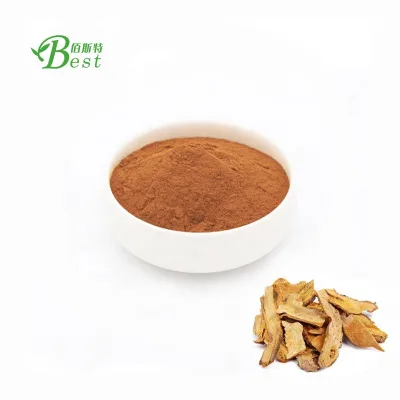
The extract appears as a brown fine powder. It is derived from the root of Polygonum Multiflorum Thunb through solvent extraction. The product is available in various ratios including 10:1, 20:1, and 30:1. This physical form allows for versatile application in health supplements and pharmaceutical preparations.
Which certifications does the Polygonum Multiflorum Extract hold?
The product holds HACCP, FDA, and ISO certifications. These credentials ensure compliance with international quality and safety standards. The manufacturing process adheres to ISO 9001 and Kosher requirements. Such certifications provide assurance for buyers in the food, medicine, and health care sectors regarding product integrity.
Can buyers request custom packaging for this herbal extract?
Yes, customization is available for this herbal extract. Standard packaging includes fiber drums with LDPE bags inside, weighing 25kg per drum. Single item packaging options like bottles and vacuum packs are also offered. Buyers can specify unique requirements to suit their distribution needs and branding strategies effectively.
What is the minimum order quantity for this extract?
The minimum order quantity is 1 Kg. This low MOQ allows buyers to test the product quality before committing to larger purchases. It facilitates flexible sourcing for small businesses or research purposes. Larger orders can be accommodated with standard drum packaging, ensuring efficient logistics and cost-effective shipping for bulk requirements.
Where is the Polygonum Multiflorum Extract sourced from?
The extract originates from Shaanxi, China. The botanical source is Polygonum Multiflorum, cultivated using artificial planting methods. This specific origin ensures consistent quality and supply chain transparency. Buyers can trace the product back to its geographical source, which is known for producing high-quality herbal ingredients for global markets.
How is the potency of the extract tested and verified?
Potency is verified using HPLC and UV assay methods. The test method ensures accurate measurement of active compounds. This rigorous quality control guarantees that the extract meets specified ratios like 10:1. Buyers receive reliable data confirming the product's strength and purity, which is essential for formulating effective health care products and medicines.